English
 简体中文
简体中文
 Deutsch

CenterPoint Energy on Picarro
Video
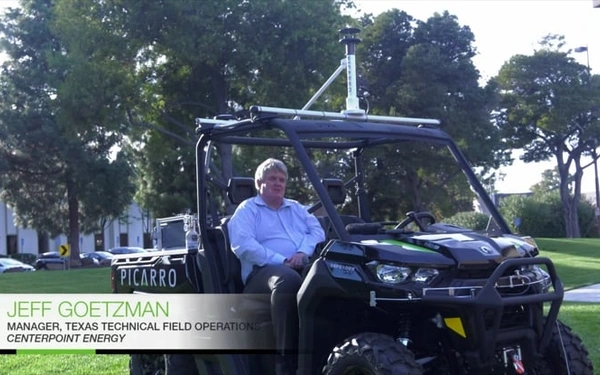
Jeff Goetzman, Manager, Texas Technical Field Operations at CenterPoint Energy, shares his experience using Picarro
CenterPoint Energy on Picarro
Jeff Goetzman, Manager, Texas Technical Field Operations at CenterPoint Energy, shares his experience using Picarro
National Grid on Picarro
Sue Fleck, VP of Gas Pipeline Safety and Compliance National Grid discusses Picarro's Natural Gas Asset Management Solution.
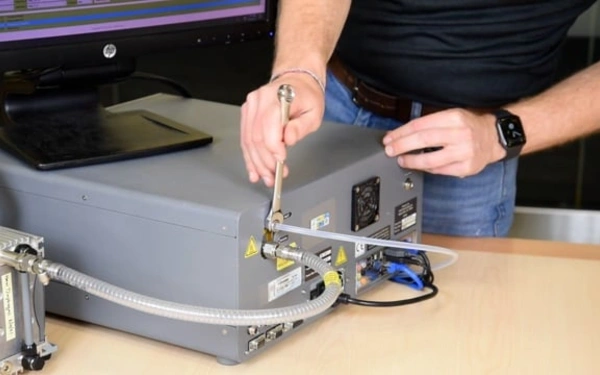
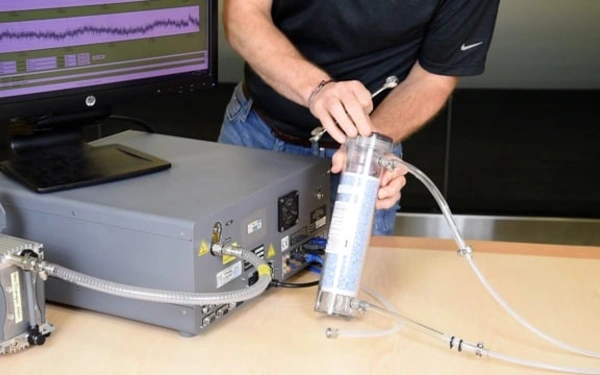
Shutting Down the Picarro Analyzer with a Desiccant Column
Shutting Down the Picarro Analyzer with a Desiccant Column
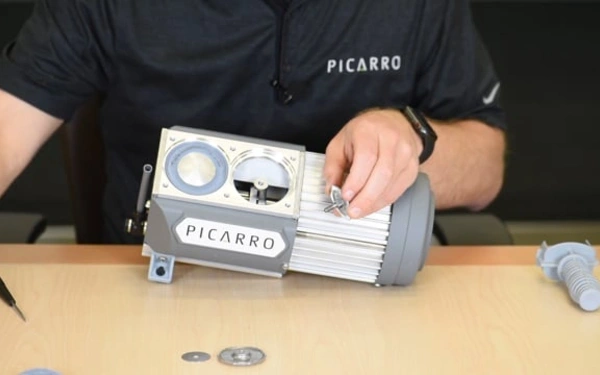
S2000 KNF Pump Diaphragm Replacement
Picarro uses the same type of KNF pump in some of our systems but they might be in different housing:
* Inside a CPVU of a G1000 series analyzer
* G2000 pump (p/n S2000 or A2000)
* Vaporizer pump (p/n S1100)
This video shows one for the S2000 pump housing but the diaphragm replacement part is applicable for all pumps above.
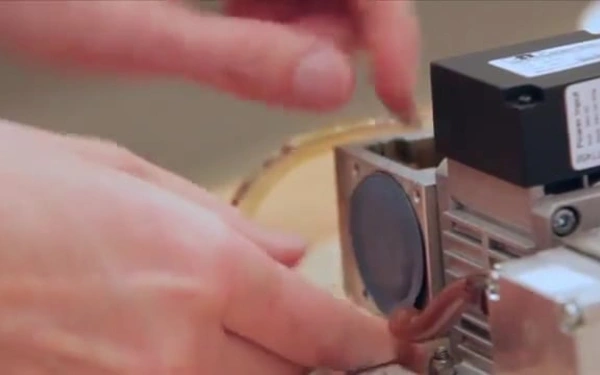
Replacing A2000 Pump Diaphragm
This is a brief Picarro tutorial on how to replace your A2000 pump diaphragms.
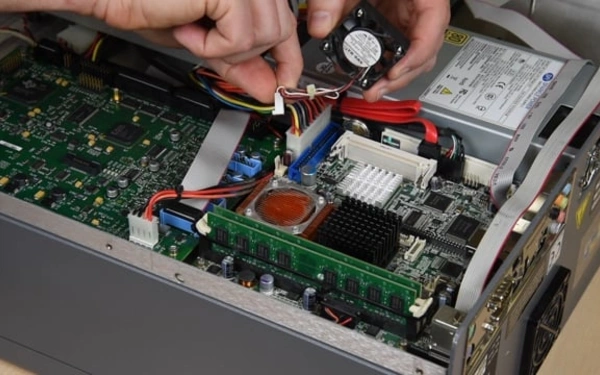
CPU Fan Replacement
This is a brief tutorial on how to replace the CPU fan on your Picarro analyzer (for MI970 Motherboards).
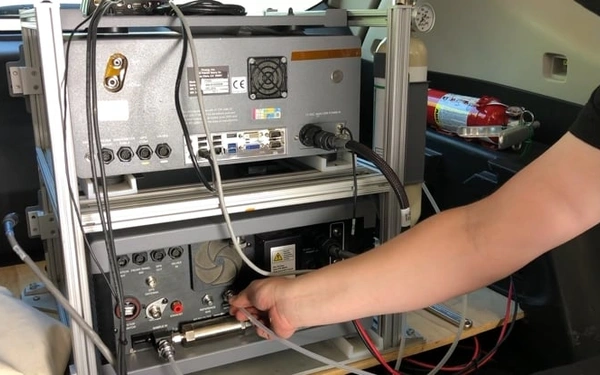
Vertical Stack and Module Connectivity
Watch this how to video on Picarro equipment focusing on the vertical stack and module connectivity.
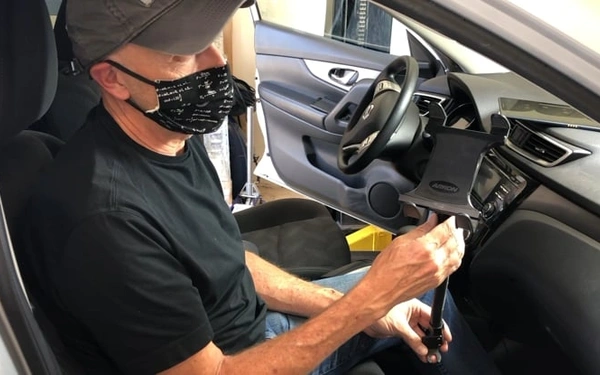
Mounting the Tablet
Watch this how to video on how to install Picarro equipment, focusing on how to mount the tablet in your vehicle.
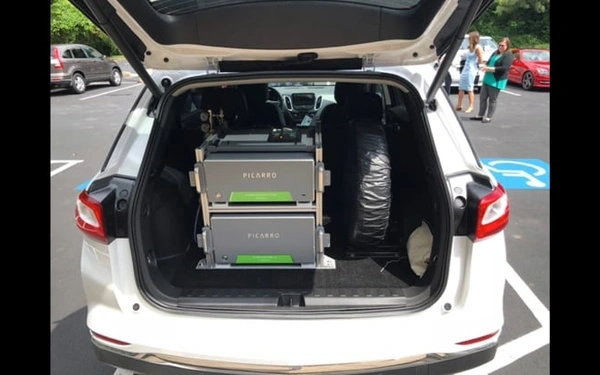
Baseboard Installation and Locating of Vertical Stack
Watch how to install Picarro equipment focusing on the baseboard installation and how to locate the vertical stack.
Roofrack and Peripherals
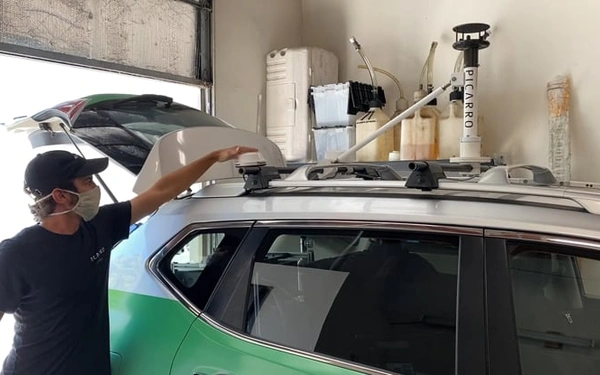
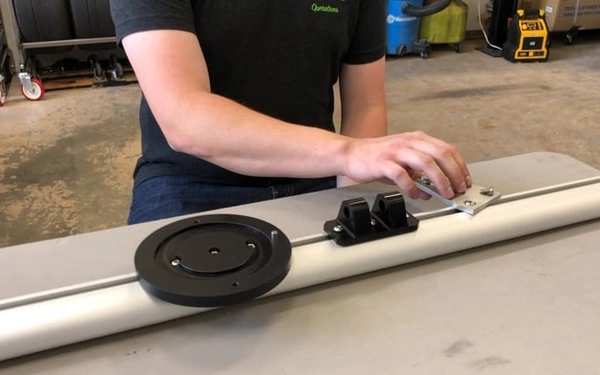
Instructional video on how to install Picarro focusing specifically on the roofrack and peripherals necessary for a complete system installation.
Bumperline Installation
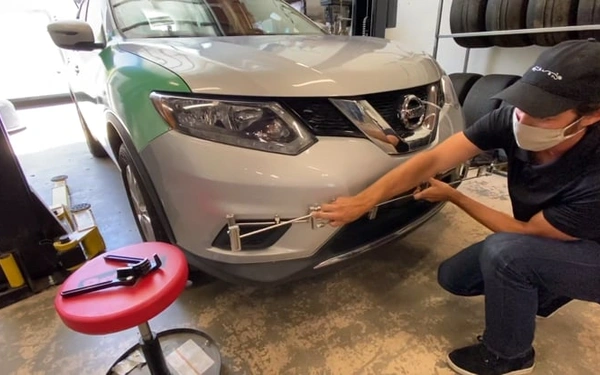
How to video on how to install Picarro, focusing on the bumperline installation.
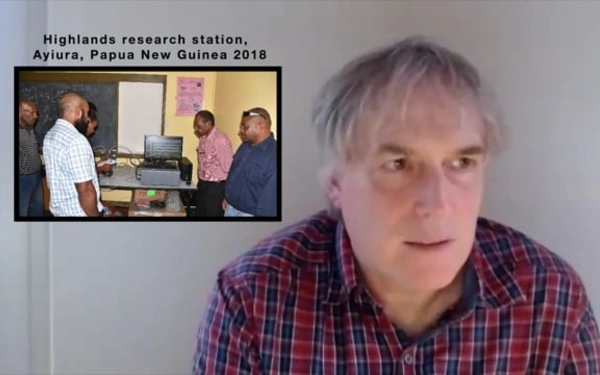
Interview with Professor Christoph Müller: Presenting New Book on Soil Science Techniques
Link to download "Measuring Emission of Agricultural Greenhouse Gases and Developing Mitigation Options using Nuclear and Related Techniques": link.springer.com/book/10.1007/978-3-030-55396-8
L2130-i Water Isotope Analyzer's New Express and Survey High-Throughput Modes
New 'Express mode' will allow measurements of up to 50 samples per day while maintaining excellent precision.
The new 'Survey mode' will allow measurements of up to 150 samples per day.
Visit our homepage
View our L2130-i product page
Learn more at our Isotopic Water Microsite
'Treethane': A New Frontier in the Global Carbon Cycle?
Picarro PI2114 Gas Concentration Analyzer
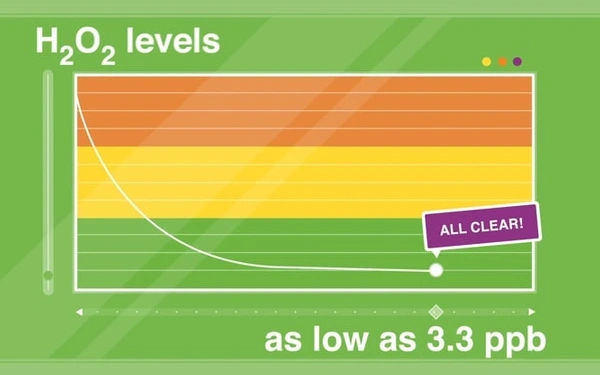
The Picarro PI2114 gas concentration analyzer measures hydrogen peroxide (H2O2) levels as low as 3 ppb to help avoid oxidation and safeguard drug stability. Major pharmaceutical, CMO, and isolator companies use Picarro hydrogen peroxide analyzers in high-potency API and biologics manufacturing and in aseptic fill and finish. The PI2114 analyzer is fast and easy to use. It doesn’t need chemicals or consumables. And it requires infrequent calibration and maintenance to minimize operating costs.
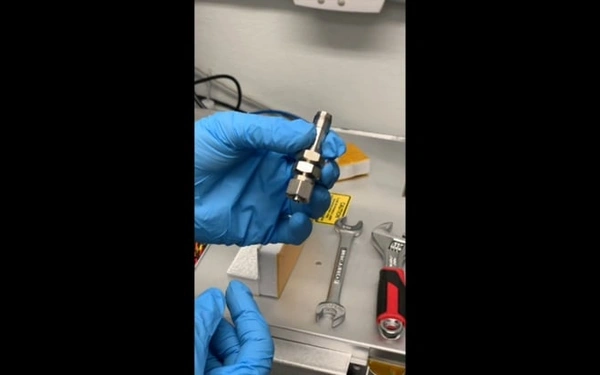
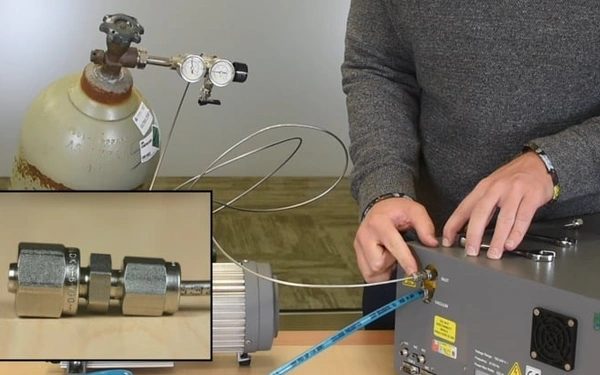
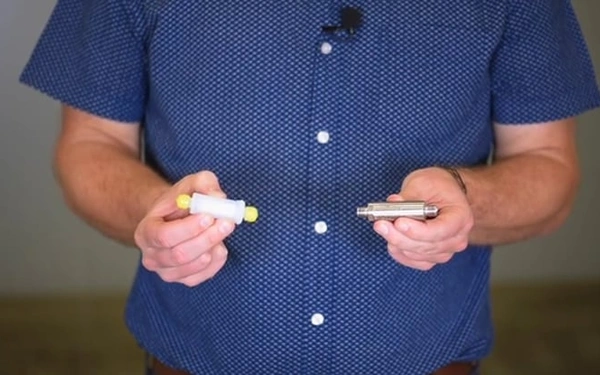
How to Cut Tubing and Install Swagelok® Fittings and An Overview of Picarro’s Dry Gas Kit
This instructional video serves as a tutorial on how to cut tubing and install Swagelok® fittings and it provides an overview of Picarro's dry gas kit. All product names, logos, and brands are property of their respective owners.
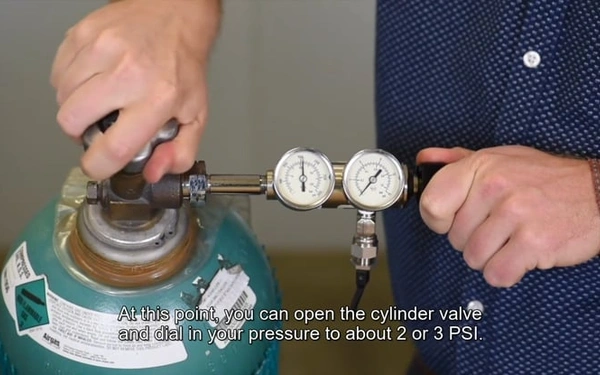
Flushing Regulators
This is a brief tutorial on how to avoid memory effects during calibration procedures by flushing old gas or room air out of your regulator.
Replacing Your Inlet Particulate Filter
Inlet particulate filters on Picarro instruments should be changed at least every 2-3 years. This tutorial takes users over the steps required to replace and leak check their inlet filter. Filters can be found on the webstore at the links below.
Metal: store.picarro.com/For-Analyzer/Parts/Particulate-filter-kit-all-models-except-HF-NH3.html
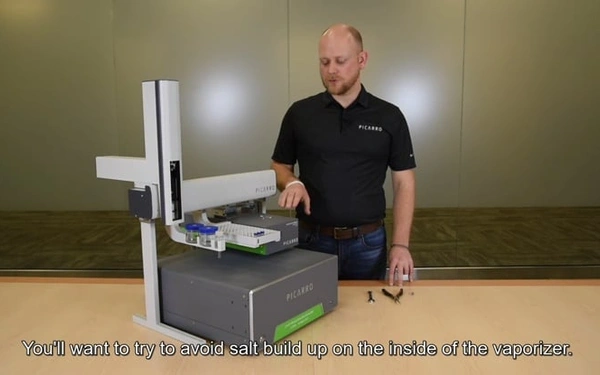
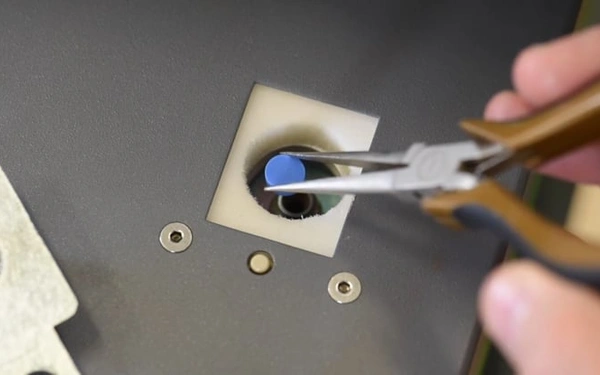
Installing the Vaporizer Salt Liner on Isotopic Water Systems
Installing the Vaporizer Salt Liner on Isotopic Water Systems.
Swap out the salt liner every time you change the septum, about every 200-300 injections. Soak in DI water until clean, or sonicate without the gasket to remove residue.
Salt Liners: store.picarro.com/For-Peripherals/Vaporizer/Salt-Liner.html
Replacing the Vaporizer Septum on Picarro Isotopic Water Systems
This is a brief tutorial on how to replace the vaporizer septum on your Picarro analyzer.
View septa on our web store:
store.picarro.com/For-Peripherals/Vaporizer/Injection-Port-Septa.html
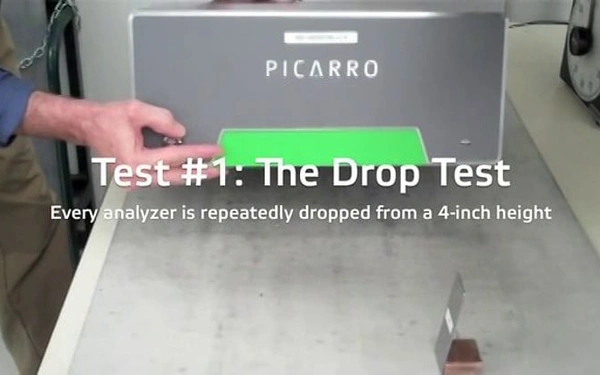
Picarro Analyzer Drop and Shake Tests
Video showing Picarro analyzers going through severe shock and vibration tests before shipment.

In this webinar, techniques and results of a randomized experiment that measured soil fluxes of nitrous oxide (N₂O) and methane (CH₄) emissions from winter wheat over 83 days using Eosense eosAC-LT automated chambers and the Picarro G2508 GHG gas concentration analyzer will be presented.

In light of recent rulemaking around Ethylene Oxide, Medical Device Sterilization facilities are considering facility enhancements that leverage state-of-the-art emissions monitoring, collection, and destruction technologies.
Join Picarro and guest industry subject matter experts from Pond & Company as they discuss what to consider when determining how to maintain compliance without disrupting your business operations.
The webinar will explore:
With the publication of the US EPA’s amendments to the Ethylene Oxide (EtO, EO) NESHAP rules impacting commercial sterilizers and chemical companies, many are wondering how to maintain operational continuity in light of new monitoring requirements. Timeline of compliance, adoption of new monitoring systems, facility upgrades, impacts to throughput and other concerns now occupy the minds of owners and operators.
Picarro is committed to supporting science with its advanced gas concentration and isotopic analyzers. In this webinar, we will present:
- New Express and Survey Modes for isotopic Water Analyzers – highest throughput solution
- New OC/EC solution for isotopic Carbon Analyzers – tracing Air Pollution

Picarro is committed to supporting science with its advanced gas concentration and isotopic analyzers. In this webinar, we will present the latest improvements to our analyzers and share how our customers are using them in their research.
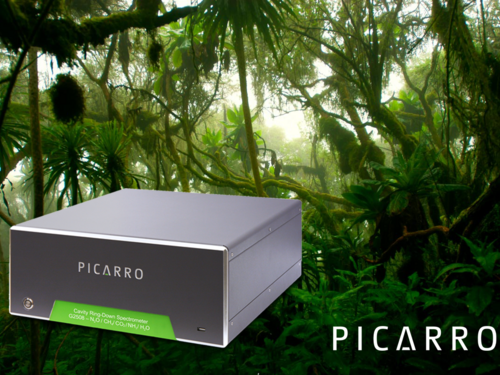
In this webinar, Dr Christine O’Connell (Silver Lab, Berkeley) will discuss the application of the G2508 and Eosense eosAC chamber system to studying redox and drought conditions in a montane rainforest in Puerto Rico. Dr. Nick Nickerson (Eosense) will continue the discussion with demonstration of the use of the Picarro GasScouter in an off-grid wetland deployment with the eosAC chamber system, as well as demonstration of a portable survey-style application in a coastal barren/wetland ecosystem. Dr. Gregor Lucic (Picarro) will finish up the discussion by providing an overview of how a

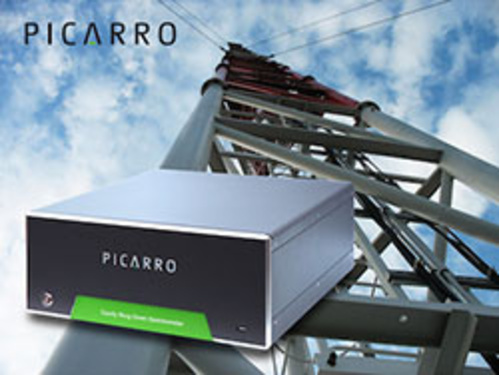
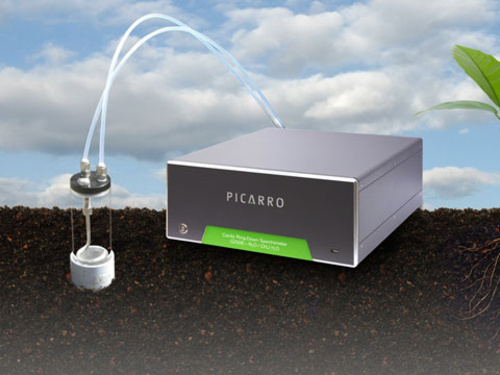
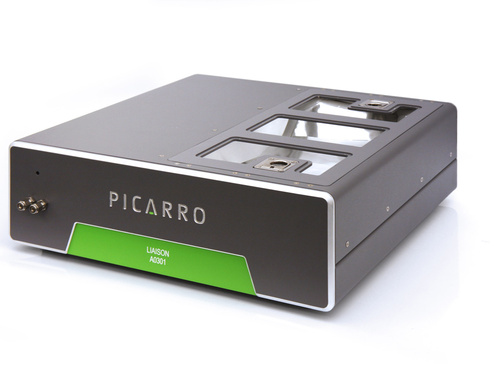

This webinar, featuring Riley Duren from NASA/JPL and Caltech, and Graham Leggett, Picarro, Inc., will focus on urban carbon emissions monitoring. Riley will share his experiences from deploying the LA Megacities Project and the goals of their research. Graham will present information about how Picarro technology has facilitated the development of such networks, including providing information on the Picarro G2301 and G2401 for best-in-class greenhouse gas (GHG) concentration measurements. If you are interested in learning about urban networks for
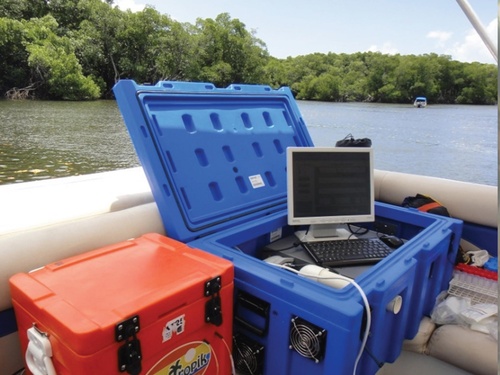
This webinar, featuring Dr. Niels Munksgaard of James Cook University and Charles Darwin University, and Dr. Kate Dennis, Picarro will review how membrane-extraction technology has been coupled to CRDS for ocean science applications. In particular, we will discuss the new Picarro Continuous Water Sampler for real-time analysis of of δ18O and δ2H in liquid water.
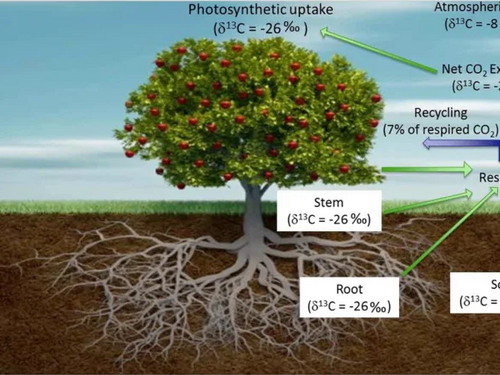
Please register to view a playback recording of this webinar featuring Picarro Research Fellow, Chris Rella, PhD and Application Specialist, Caleb Arata. They discuss how carbon isotopes measurements are made via Cavity Ring-Down Spectroscopy (CRDS) and how careful calibration can improve the stability of measurements for demanding atmospheric applications. If you want to learn more about how to optimize your calibration protocol and field set up for measuring δ13C in ambient atmospheric CO2 and CH4, this is the webinar for you!
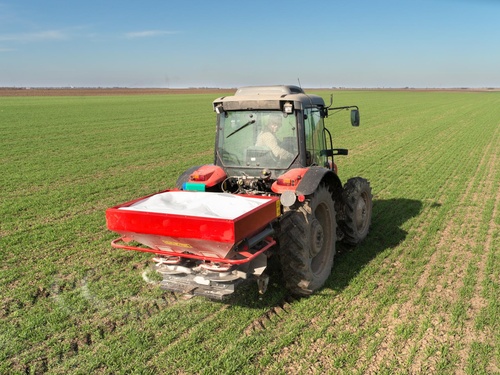
Please register to view a playback recording of this webinar, featuring Professor Richard Farrell (University of Saskatchewan) and Dr. Nabil Saad (Picarro). They discuss the application and underlying technology that enabled Prof. Farrell to partition residue-derived and residue-induced emissions of N2O from agricultural lands using 15N-labelled crop residues. If you are interested in learning more about how nitrogen isotopes can be applied to soil and agriculture studies, or are interested in Picarro's mid infrared Cavity Ring-Down Spectroscopy platform, this is the webinar
Listen to Picarro’s Applications Specialist Derek Fleck share his latest in soil flux application collaboration with UC Berkeley, as well as Nick Nickerson from Forerunner Research sharing the latest advancements in soil chamber technology.

Please register to view our recorded webinar on the theory of 17O-excess measurements in water. Professor Eric Steig from the University of Washington who will discuss his research from the West Antarctic Ice Sheet Divide core.
The live webinar will also feature Kate Dennis, Ph.D., from Picarro discussing the latest advancements in Picarro water isotope instrumentation.
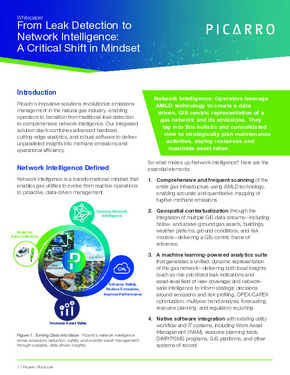
From Leak Detection to Network Intelligence: A Critical Shift in Mindset
This playbook introduces Picarro’s Network Intelligence framework—a transformative approach that empowers gas utilities to move from reactive leak response to proactive, data-driven operations.
By combining advanced mobile leak detection (AMLD), geospatial data integration, machine learning analytics, and seamless software connectivity, Network Intelligence offers a unified, GIS-centric view of your entire gas network.
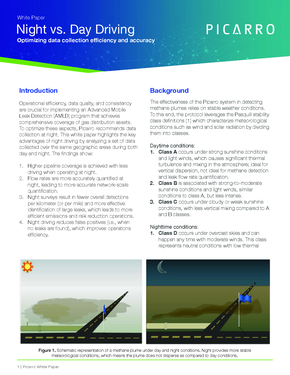
White Paper: Night vs. Day Driving, Optimizing Data Collection Efficiency and Accuracy
Operational efficiency, data quality, and consistency are crucial for implementing an Advanced Mobile Leak Detection (AMLD) program that achieves comprehensive coverage of gas distribution assets. To optimize these aspects, Picarro recommends data collection at night. This white paper highlights the key advantages of night driving by analyzing a set of data collected over the same geographic areas during both day and night.
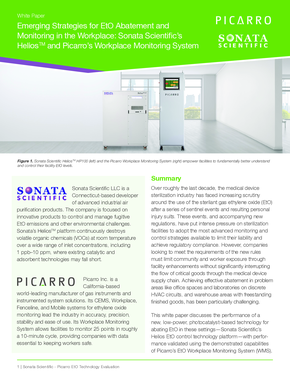
Emerging Strategies for EtO Abatement and Monitoring in the Workplace: Sonata Scientific’s Helios and Picarro’s Workplace Monitoring System
Achieving effective EtO abatement in problem areas like office spaces and laboratories on discrete HVAC circuits, and warehouse areas with freestanding finished goods, has been particularly challenging. This white paper discusses the performance of a new, low-power, photocatalyst-based technology for abating EtO in these settings—Sonata Scientific’s HeliosTM EtO control technology platform—with performance validated using the demonstrated capabilities of Picarro’s EtO Workplace Monitoring System (WMS).
G2307: Traceable calibration of Formaldehyde (H2CO)
In this white paper, we discuss the rescaling of, and establishment of a traceable calibration for, formaldehyde (H2CO) on Picarro’s G2307 “LBDS” Cavity Ring Down Spectrometers.
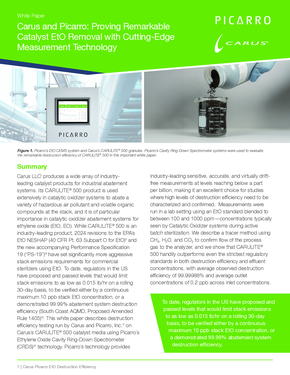
Carus and Picarro: Proving Remarkable Catalyst EtO Removal with Cutting-Edge Measurement Technology
This white paper describes destruction efficiency testing run by Carus and Picarro, Inc. on Carus’s CARULITE® 500 catalyst media using Picarro’s Ethylene Oxide (EtO) Cavity Ring-Down Spectrometer (CRDS) technology.
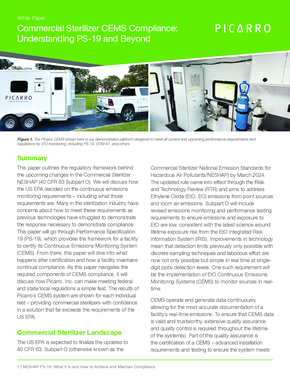
Commercial Sterilizer CEMS Compliance: Understanding PS-19 and Beyond
This paper outlines the regulatory framework behind the upcoming changes in the Commercial Sterilizer NESHAP (40 CFR 63 Subpart O). We will discuss how the US EPA decided on the continuous emissions monitoring requirements – including what those requirements are. Many in the sterilization industry have concerns about how to meet these requirements as previous technologies have struggled to demonstrate the response necessary to demonstrate compliance.
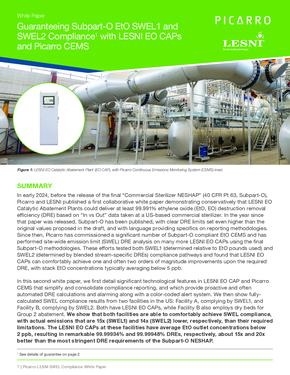
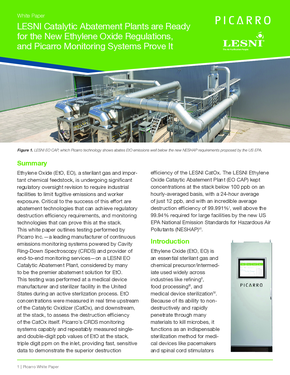
LESNI Catalytic Abatement Plants are Ready for the New Ethylene Oxide Regulations, and Picarro Monitoring Systems Prove It
This white paper outlines testing performed using Picarro’s continuous emissions monitoring system (CEMS) on a LESNI EO Catalytic Abatement Plant (CAP). This testing was performed at a medical device manufacturer and sterilizer facility in the United States during an active sterilization process. Ethylene oxide (EtO, EO) concentrations were measured in real time upstream of the Catalytic Oxidizer (CatOx), and downstream, at the stack, to assess the destruction efficiency of the CatOx itself.
AAR 360 | SOC 3
Independent Service Auditor's Report SOC 3 at a Service Organization Relevant to Security for Picarro, Inc.
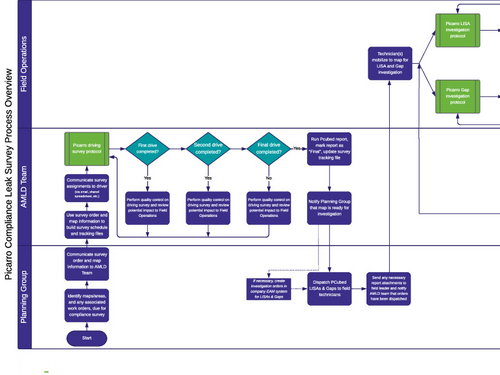
Picarro Compliance Leak Survey Process Overview
Unveiling the Picarro Compliance Leak Survey Process Overview: A detailed exploration of its robust survey protocols for enhancing detection, management, and compliance in the gas utility sector.
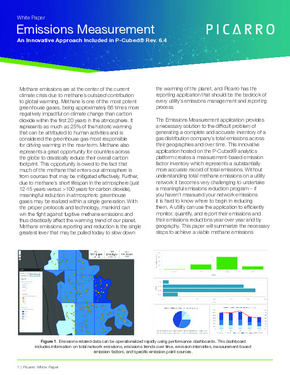
White Paper: Emissions Measurement, An Innovative Approach
Methane emissions are at the center of the current climate crisis due to methane’s outsized contribution to global warming. Methane is one of the most potent greenhouse gases, being approximately 86 times more negatively impactful on climate change than carbon dioxide within the first 20 years in the atmosphere. It represents as much as 25% of the historic warming that can be attributed to human activities and is considered the greenhouse gas most responsible for driving warming in the near-term.
Water Correction for iCO2 Measurements Whitepaper
The Picarro G1101-i and G2101-i gas analyzers provide field measurements of the stable isotope ratio d13CO2 with a precision of 0.3 permil in five minutes. In an isotope ratio mass spectrometry (IRMS) laboratory, it is customary to dry the samples to very low dew points (< - 45C) prior to isotope analysis. For field work, however, drying the samples is in many cases inconvenient or impractical. Water vapor can affect the reported delta via spectroscopic broadening or direct spectroscopic interference.
Transient Response for Isotopic CO2 Whitepaper
Stable isotope analysis relies on the simultaneous or near-simultaneous measurement of two individual species. In the case of the Picarro G1101-i and G2101-i gas analyzers, these two species are 12C16O2 and 13C16O2, which we denote 12C and 13C for simplicity.
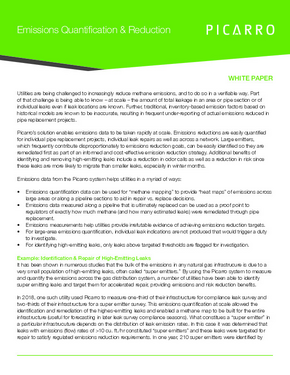
White Paper: Emissions Quantification and Reduction
Picarro’s solution enables emissions data to be taken rapidly at scale. Emissions reductions are easily quantified for individual pipe replacement projects, individual leak repairs as well as across a network. Large emitters, which frequently contribute disproportionately to emissions reduction goals, can be easily identified so they are remediated first as part of an informed and cost-effective emission reduction strategy.
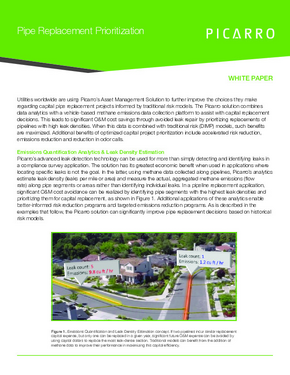
White Paper: Why Pipe Replacement Prioritization
Utilities worldwide are using Picarro’s Asset Management Solution to further improve the choices they make regarding capital pipe replacement projects informed by traditional risk models. The Picarro solution combines data analytics with a vehicle-based methane emissions data collection platform to assist with capital replacement decisions. This leads to significant O&M cost savings through avoided leak repair by prioritizing replacements of pipelines with high leak densities. When this data is combined with traditional risk (DIMP) models, such benefits are maximized.
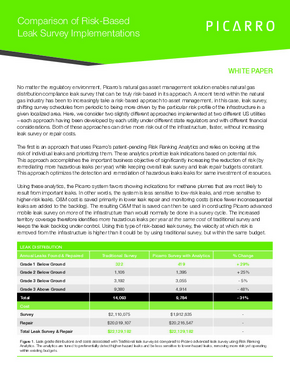
White Paper: Comparison of Risk-Based Leak Survey Implementations
No matter the regulatory environment, Picarro’s natural gas asset management solution enables natural gas distribution compliance that can be truly risk-based in its approach. A recent trend within the natural gas industry has been to increasingly take a risk-based approach to asset management, in this case, shifting schedules from periodic to being more driven by the particular risk profile of the infrastructure in a given localized area.
White Paper: Risk Based Compliance
Picarro’s mobile leak detection solution – combining data analytics with an advanced vehicle-based methane emissions data collection platform – now allows natural gas leak plume data to be collected and interpreted at a speed and scale not previously possible. Further, advances in Big Data Analytics allow better-informed conclusions to be drawn from that data and enable improved decision making and outcomes.
VHP of just 30 ppb can oxidize and ruin pharmaceuticals
Vaporized hydrogen peroxide (VHP) treatment is the dominant approach for decontamination in cleanrooms, restricted access barrier systems, and isolators, commonly a part of manufacturing operations for high-potency active pharmaceutical ingredients (HPAPI), large molecule drugs, and aseptic processing for dosage form fill and finish. Irrespective of the environment, decontamination is followed by an aeration cycle designed to ensure drug efficacy, safety, and stability, typically at levels well below 0.1 parts per million (ppm).