English
 简体中文
简体中文
 Deutsch

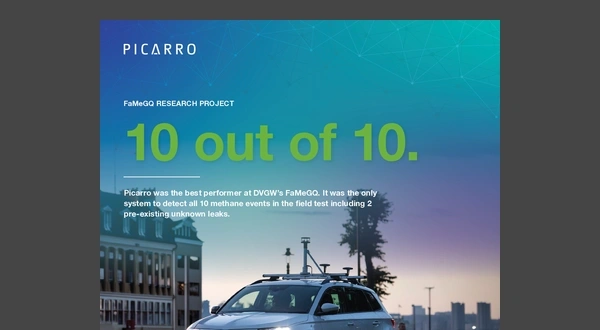
Picarro Delivers Top Performance in FaMeGQ Research Project for Vehicle-Based Methane Leak Detection
Picarro was the only system to detect all 10 methane events during real-world field testing, demonstrating the...
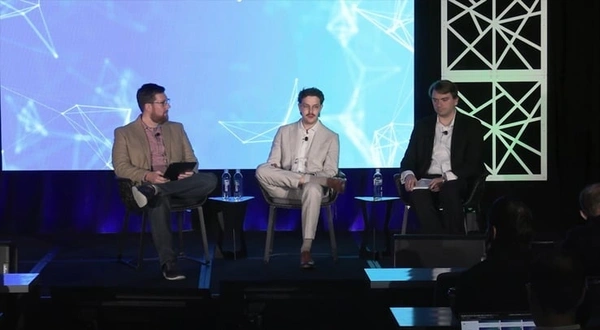
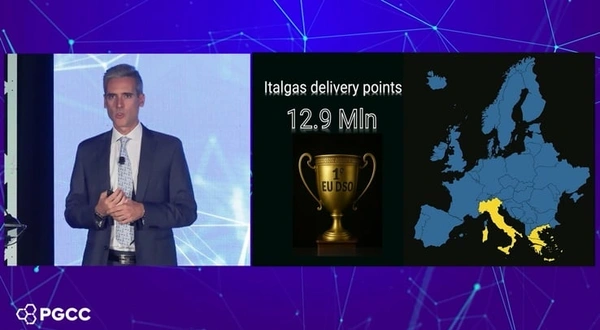
Participants joined us for an empowering closing keynote delivered by Francois Rongere, Senior Director – Solution Architect Climate and Safety, Picarro. An expert in environmental science and technological solutions, Rongere tackled the urgent need for action, highlighting why “The Time Was Now” for corporations and organizations to step up their environmental accountability.
The convergence of new regulations, new protocols and the tools to implement them makes for a rapidly changing landscape and a set of opportunities gas distribution ought to capitalize on to simplify its business model and radically improve its risk profile.
In a world where reporting on emissions measurement has become more standardized and scrutinized, Rongere discussed how Picarro’s leading-edge tools and platforms, like e360 and the Super Emitter program, were not just facilitating this evolution but were catalyzing the vital transition from reporting to tangible reduction of environmental footprints.
This session was a fantastic conference close and captured how Picarro’s suite of advanced solutions seamlessly integrated into the emerging international standards for environmental reporting and beyond. With a natural fit into the market’s direction, Picarro is the innovation we need to navigate the energy transition landscape..
We Discussed: [transcript]
Key Takeaways:
NOTES FROM THE CLOSING REMARKS
Three key ideas:
“The time is now” [1:05]
Three key recent developments come together to cause us to conclude that “The time is now”: 1. The regulations will be in place this year; 2. The methodologies are in place; 3. The tools are in place.
The data management is in place to generate and report on emissions in a consistent, reliable way that will satisfy the new regulations.
“The data must come first, the data must be collected yearly” [3:35]
The data must now be placed at the center of everything you do.
As we collect data we augment it with your GIS data to create a single source of truth from which we feed the analytics engines that will drive your programs:
“We are at inflexion point” [4:35]
We are at an inflexion point for gas distribution utilities. The changing regulatory environment enables a move away from the siloed teams the old regulation has created.
It is important to not only follow but interpret and augment the new regulations to run the Gas Utility of the future. One that is integrated, data-driven and focused on emissions.
Utilities have been historically focused on: “when I see something I do something” pushing them to not see too much…
Going forward Utilities ought to:
Putting the data at the center. Collecting as much data as possible as frequently as possible will allow us to achieve as yet unthought of levels of improvements towards net-zero emissions, net zero odor calls and net zero risk.
The future of gas distribution is bright.
Selected Links/Material: