English
 简体中文
简体中文
 Deutsch

Dr. Magdalena Hofmann,
Senior Application Scientist at Picarro
Dr. Magdalena Hofmann,
Senior Application Scientist at Picarro
Recently, our Picarro EMEA team had the pleasure of conducting a comprehensive two-day training session for members of the French air quality network, ATMO France. Held at AirParif's headquarters in central Paris—just a short walk from the iconic Notre Dame Cathedral—the event brought together technicians and scientists from regional monitoring agencies across the country. The goal: to deepen expertise in the use of Picarro ammonia analyzers and share best practices in high-precision atmospheric measurements.
The training was led by Dr. Magdalena Hofmann, Senior Application Scientist at Picarro, Jan Woźniak, also a Senior Application Scientist, and Picarro’s dedicated French Sales Representative, Alexandre Dembicki. Together, we covered a wide array of technical topics and practical demonstrations.
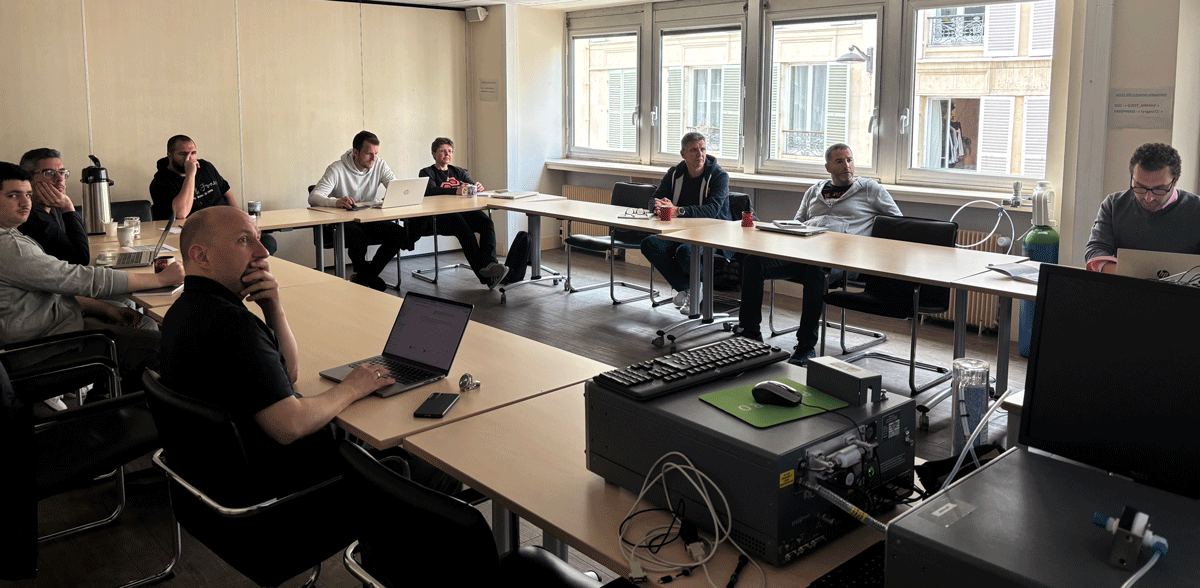
Day 1 welcomed attendees from AirParif, Qualitair Corse, Atmo Sud, Air Pays de la Loire, Atmo Bourgogne-Franche-Comté, and Atmo Occitanie. On Day 2, we were joined by attendees from Atmo Auvergne-Rhône-Alpes, Atmo Hauts-de-France, Atmo Grand Est, Atmo Normandie, Lig’Air, and Air Breizh.
Both days followed the same structured agenda, with theoretical sessions in the morning followed by practical workshops in the afternoon.
We began each day with a series of presentations covering essential topics, including:
In the afternoons, we transitioned into live demonstrations and hands-on interaction with the equipment:
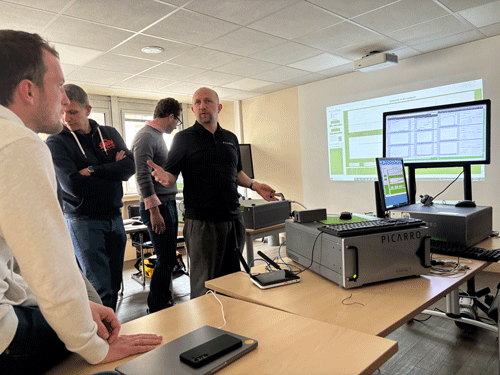
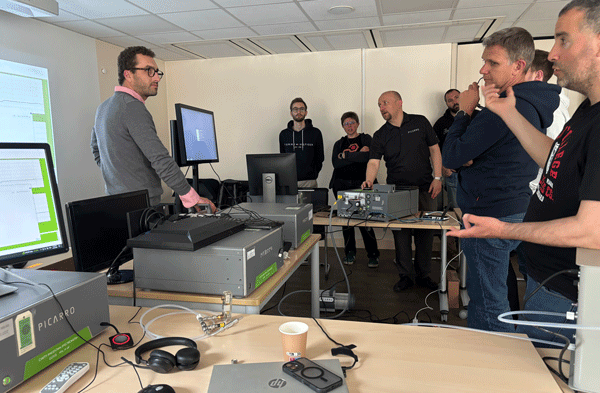
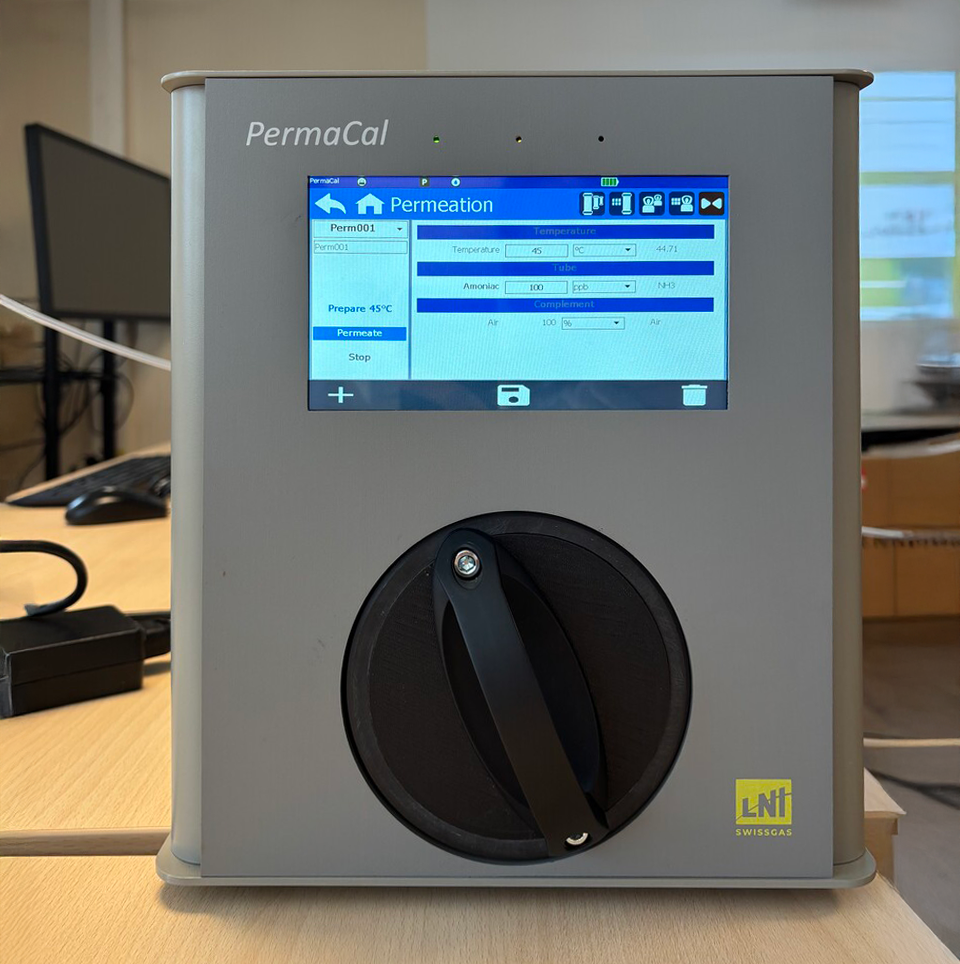
This training offered a unique opportunity to empower regional air quality professionals with advanced knowledge and techniques for ammonia monitoring using Picarro analyzers. The positive feedback from all participants reinforces the value of such in-depth training that stimulates knowledge exchange and collaborations.
We extend our sincere thanks to AirParif for their generous hospitality and to all attendees for their active participation. We look forward to supporting ATMO France as they continue their essential work for environmental and public health.